Concepts in ConstructionPlanning. Building. Maintaining.
Menu
Lake Havasu / Construction & maintenance

Lake Havasu construction,
considered from the start.

Bring the next step into focus with practical reading on three connected priorities: planning the work, improving the space and caring for what is already built.

Explore construction services
A clearer brief. A considered next step.
Form / Material / Place
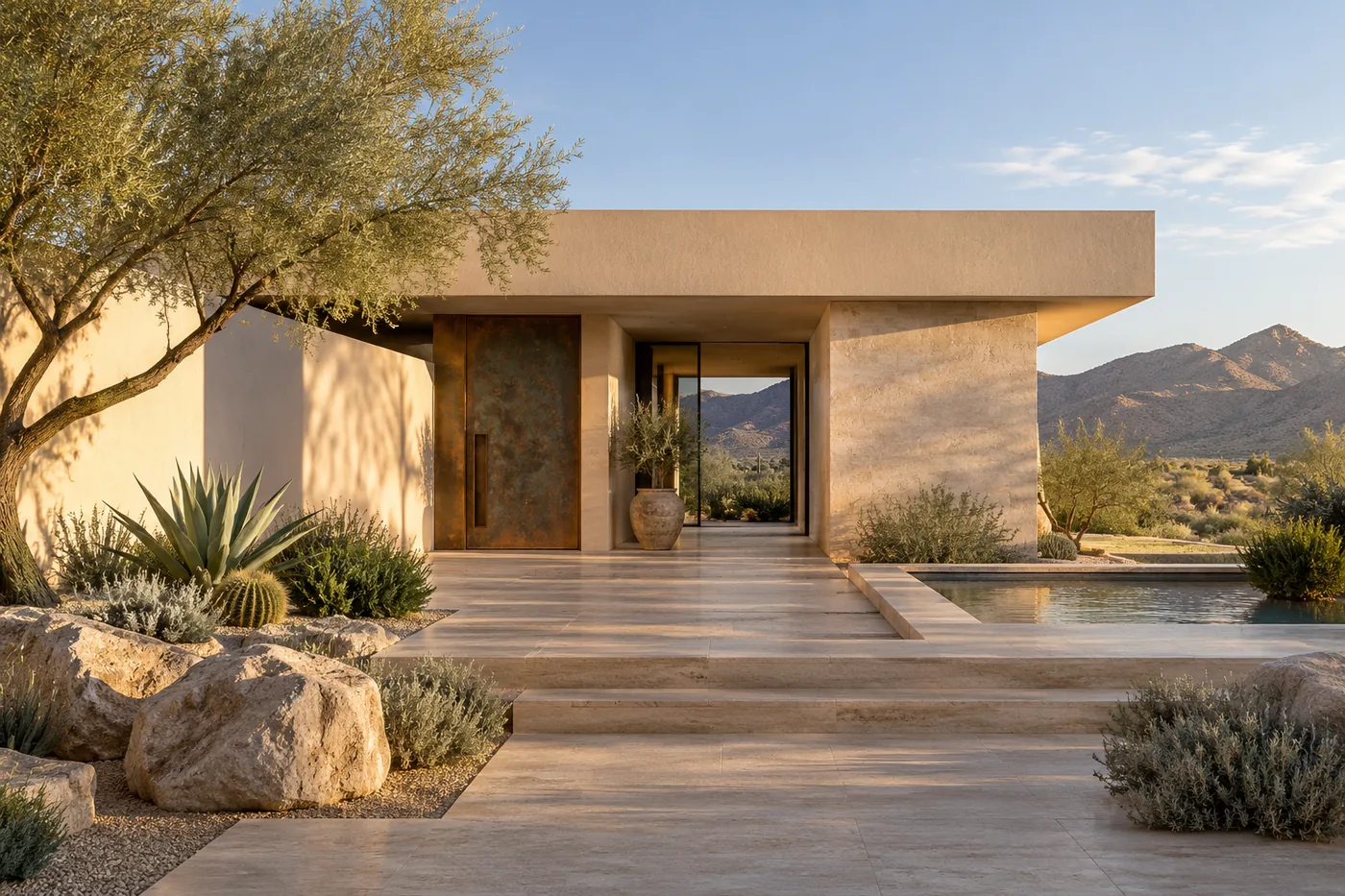
Architectural concept of a warm stone desert home with a shaded entry and courtyard
Architectural concept illustration. Not a photograph of completed company work.
Thoughtful spaces begin with thoughtful questions.Planning / Construction / Care
01 / Set the direction

Lake Havasu construction starts with a clear scope.

Define the work first. Whether you are considering a new space, a renovation or a repair, write down what needs to change, what should stay and how the building is used today. Concepts in Construction brings three connected topics into view: construction, improvement and maintenance. A clear brief gives each later conversation a useful starting point, from the first drawing to the final details.

Build around the way you live.

Begin with everyday use. List the rooms, routes and activities your space needs to support, then compare those priorities with the site, the existing structure and the available budget. A considered plan connects layout, materials and practical constraints before individual finishes compete for attention. The construction overview is a useful place to begin that conversation.

See the construction overview

Improve the parts that matter.

Make the brief specific. For a kitchen, an addition or another alteration, separate essential improvements from optional ideas so the proposed work responds to an identifiable problem. Record measurements, photographs and the features you want to keep; these three references can make an early discussion more focused than a collection of inspiration images alone.

Read about kitchen planning

Give existing structures attention.

Understand the condition first. A visible defect can be a useful reason to seek an assessment, but a photograph or a short description cannot establish its cause or the right repair. Note where the issue appears, when it became noticeable and whether it has changed, then use those observations when speaking with an appropriate professional.

Explore concrete repair information
02 / Three steps, one useful brief

Turn a broad idea into a workable conversation.

Keep the first brief simple. These three steps help organise what you know and what still needs checking, without pretending that an online guide can replace a site visit or project-specific advice.

  1. Describe the outcome.

    Start with the change. Write a short description of the space you need, the problem you want to solve and the conditions that would make the result useful. Include photographs of the existing area and a small set of references that explain your priorities.

  2. Map the constraints.

    Make the unknowns visible. Note access, existing services, the parts of the building that will remain in use and any questions about drawings or approvals. Discuss these points with the relevant professionals before treating an early layout, allowance or target date as a settled commitment.

  3. Compare a defined scope.

    Compare the same work. Ask for proposals that describe inclusions, exclusions, materials and assumptions clearly, so a difference in price does not conceal a difference in scope. Keep decisions in writing and establish how proposed changes will be discussed before work begins.

A spatial studyLIVINGKITCHENENTRYOUTSIDE
Relationships before finishes / Illustrative only
03 / See the whole space

Consider the whole space, not one detail.

Look beyond the surface. For a Lake Havasu property, use the first conversation to consider how indoor rooms, outdoor areas and access work together throughout a normal day. Ask how proposed materials will be maintained, which existing elements can remain and what information is needed to assess the site. These three questions connect an attractive idea with the practical work behind it.

04 / The reading room

Read into the details.

Choose a topic that matches your brief. These seven reading routes include plans, the building process, additions, roofing, common questions and the wider article collections.

05 / Before you begin

A few questions before you begin.

Where should I begin with a Lake Havasu construction project?

Begin with a written brief. Describe the outcome you want, the existing condition and your priorities, then gather photographs and any plans you already have. Use that information to identify which site-specific questions need professional input before choosing a design or agreeing a scope.

What should a construction brief include?

Include purpose, priorities and constraints. A useful brief explains how the space will be used, what must remain, the budget range you want to discuss and any timing needs. Label assumptions as assumptions, so missing measurements or unresolved choices do not quietly become commitments.

Can I use an existing house plan as a starting point?

Yes, as a starting point. A plan can help you discuss layout and scale, but its suitability depends on the property and the requirements of the proposed work. Ask the relevant design professional which details need checking or adapting before treating it as a construction-ready document.

How can I compare two construction proposals?

Compare their scope before their totals. Check that both describe the same work, material allowances, exclusions, responsibilities and assumptions. If a line is unclear, ask for a written explanation; a lower figure is not directly comparable when it leaves part of the proposed work undefined.

Should I repair an existing feature or replace it?

Start with an assessment. The useful comparison includes the cause of the problem, the condition of surrounding materials and the intended future use, not just the visible surface. A qualified professional can help establish whether a repair addresses the underlying issue or a different approach needs consideration.

What affects the order of work during a renovation?

Dependencies shape the sequence. Changes to structure, services and concealed work generally need coordinating with the finishes that follow, while access and continued use can add constraints. Ask for the proposed sequence and the decisions needed at each stage, rather than relying on a single completion date.

How should I prepare for a project discussion?

Bring three useful references. Gather photographs of the current space, any available drawings and a concise list of priorities. Explain what does not work today as well as what you like; that context makes inspiration images more useful and helps keep the discussion focused on your property.

What should I record as decisions are made?

Keep a written record. Save the agreed scope, material choices, drawings and revisions together, and make it clear which version is current. When an idea changes, record what was decided and which related choices still need review.
A useful next step

Start with a clearer picture.

Take one useful next step. Explore the construction overview and use it to shape the questions, priorities and information you bring to your next project conversation.

Open the services guide